
Menu
Get Expert Legal Support Today

TL;DR:
- Accurate and complete forms are essential to avoid RFEs and denials in immigration cases.
- Missing deadlines or court dates can lead to harsh consequences like removal orders in absentia.
- Transparency and early legal advice significantly reduce preventable mistakes and improve case outcomes.
A missed court date. A single blank field on a form. A piece of history you hoped nobody would ask about. These are not dramatic failures — they are the everyday errors that derail real immigration cases and separate families. U.S. immigration law is unforgiving, and the system moves quickly regardless of whether you are ready. Understanding where applicants most commonly go wrong is the first step to protecting your family’s future. This guide breaks down the most frequent pitfalls and gives you practical, straightforward steps to avoid them.
| Point | Details |
|---|---|
| Check all paperwork | Carefully review every form for accuracy to avoid costly delays or denials. |
| Meet all deadlines | Missing immigration deadlines or court dates can result in removal proceedings. |
| Be completely honest | Always disclose your full history as non-disclosure often causes more harm. |
| Get expert advice | Consulting a qualified immigration lawyer early on prevents most errors. |
Paperwork is the foundation of every immigration case, and it is also where most cases begin to unravel. Forms such as the I-130 (Petition for Alien Relative) and the I-485 (Application to Register Permanent Residence) require precise, complete answers. A single omission, a mismatched date, or an unsigned page can trigger a Request for Evidence (RFE) or result in an outright denial. As noted in guidance on family-based immigration pitfalls, submitting incomplete or inaccurate forms such as the I-130 or I-485 leads directly to RFEs or denials.
The most common form errors include:
These mistakes are not signs of dishonesty. They are signs of haste. USCIS adjudicators do not have the discretion to fill in gaps for you — they issue an RFE or deny the application based on what is in front of them.
To keep your submission clean, always double-check applications against the official USCIS instructions before posting anything. Download the form directly from the USCIS website on the day you complete it, not weeks earlier, because versions change. Keep at least two copies of everything you submit, including the envelope and postage receipt.
Pro Tip: Before submitting, ask someone unfamiliar with your case to read through the form. Fresh eyes catch errors that familiarity hides.
For a broader understanding of how immigration law works and what each stage involves, our immigration law overview explains the process from start to finish. If you are unsure whether you need professional support, the role of immigration lawyers is worth reading before you decide to file alone.
Beyond paperwork errors, timing is equally critical in immigration matters. The U.S. immigration system operates on strict schedules, and missing a single appointment or deadline can have consequences that take years to reverse.
The key dates you must never miss include:
The consequences of missing a court date are severe. In FY2024, 47% of immigration court decisions were removal orders, and 72% of those were issued in absentia, meaning the person was not even present. An in absentia removal order is issued when someone fails to appear at a scheduled hearing. It can be extremely difficult to reopen a case after one has been issued.
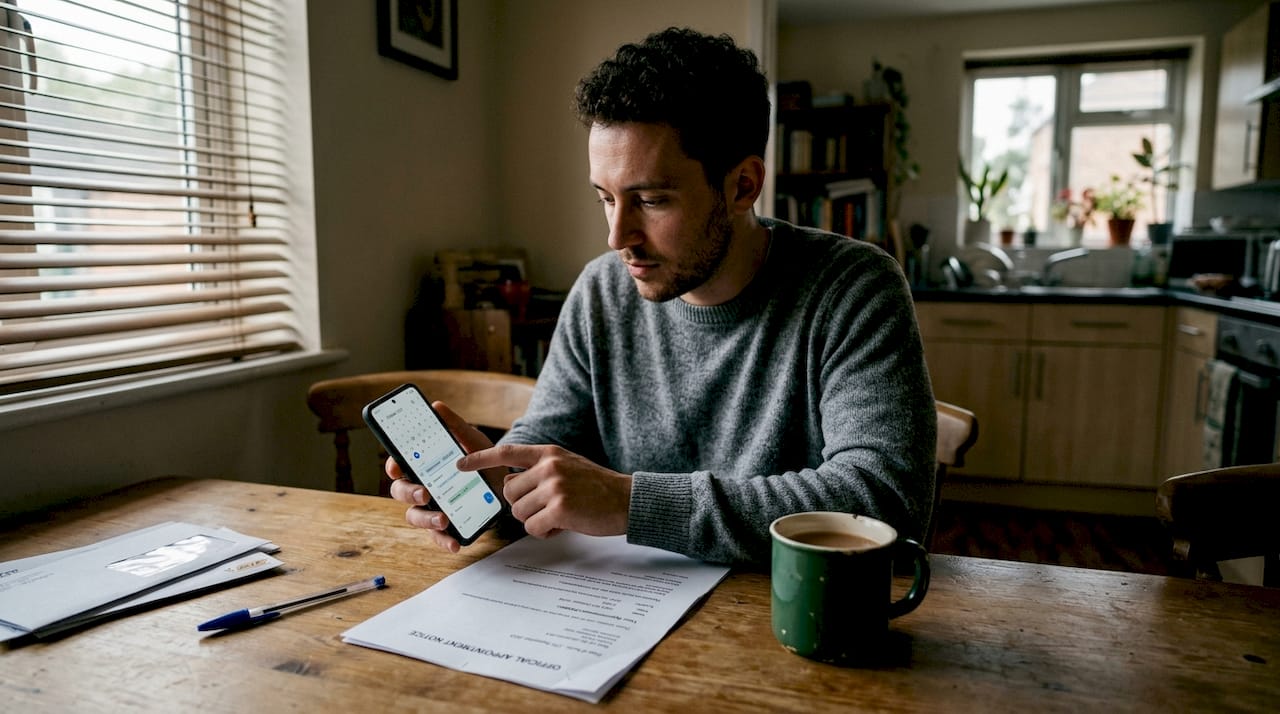
The USCIS case volume data confirms how many people move through the system each year, which means the courts and agencies have little tolerance for no-shows.
Pro Tip: Enrol for text or email alerts through your USCIS online account (MyUSCIS). Set calendar reminders at 30 days, 7 days, and 24 hours before every appointment.
If you have an interview approaching, preparing for interviews in advance makes a measurable difference to how confidently you present your case.
Managing deadlines is one hurdle, but honesty and transparency are foundational in immigration law. USCIS and immigration judges have access to a wide range of databases, including criminal records, travel history, prior immigration filings, and tax records. Attempting to conceal information rarely works — and the consequences when it is discovered are far worse than the original issue.
Information you must always disclose truthfully includes:
The consequences of misrepresentation are severe. A finding of wilful misrepresentation can result in a permanent bar from re-entry to the United States. It can also permanently disqualify you from naturalisation, even if you later obtain lawful status through another route.
“Disclose all history upfront — nondisclosure is often worse than the violations themselves.”
This is not just legal advice — it is a practical reality. Immigration judges and USCIS officers are experienced at identifying inconsistencies. A past offence that might have been manageable with proper legal preparation becomes a far larger problem once it appears that you tried to hide it.
Before you disclose anything complex, consult a lawyer. There are legal strategies for presenting difficult history in the most favourable way, and understanding the value of legal advice before you file is one of the most important steps you can take. An attorney can help you protect your rights while ensuring your application is fully transparent.
Understanding disclosure rules naturally leads to the next common pitfall: going it alone without professional help. Many applicants assume that immigration forms are straightforward enough to complete without a lawyer. Some cases are relatively simple, but even routine applications can contain complexities that are not obvious to someone without legal training.
The risks of DIY applications and unregulated advisors include:
As licensed immigration attorneys consistently advise, consulting a qualified lawyer early prevents most pitfalls, and DIY approaches carry a real risk of misrepresentation, even unintentionally.
| Factor | Self-filing | Attorney-led process |
|---|---|---|
| Form accuracy | Relies on your own review | Professionally verified |
| Knowledge of waivers | Limited | Comprehensive |
| RFE response quality | Variable | Structured and evidenced |
| Risk of misrepresentation | Higher | Significantly lower |
| Appeal capability | Difficult without guidance | Managed with strategy |
A lawyer’s input matters most in complex cases: those involving prior removals, criminal history, waivers of inadmissibility, or appeals. For straightforward renewals with clean histories, self-filing may be manageable, but even then, a single review appointment can catch errors before they become problems.
Pro Tip: Before your first legal consultation, gather your passport, prior immigration documents, any court records, and a timeline of your travel and residence history. The more organised you are, the more useful that first meeting will be.
For tailored support with your specific situation, personal immigration help is available for individuals and families at every stage of the process.
Having outlined the most common mistakes, here is a perspective that most articles overlook: the majority of immigration errors are not caused by legal complexity. They are caused by fear and avoidance.
Applicants rush forms because the process feels overwhelming. They miss hearings because opening official letters feels too stressful. They stay silent about past history because they hope the problem will simply disappear. None of these responses are irrational — immigration is genuinely stressful — but they all lead to the same outcome: avoidable mistakes.
The mindset shift that makes the biggest difference is treating your immigration case with the same discipline you would apply to a work deadline or a financial audit. Keep every document in a dedicated folder. Treat every court date like a non-negotiable meeting. When in doubt, ask a lawyer or use official resources — never guess.
Simple habits, applied consistently, prevent nearly every error on this list. If you are unsure where to start, reviewing consultation preparation steps before speaking to a lawyer helps you make the most of that conversation from the outset.
If you are ready to avoid costly mistakes, professional support is available.

At Ali Legal, we provide tailored guidance for individuals and families at every stage of the U.S. immigration journey. From reviewing your forms before submission to representing you at interviews and appeals, our one-to-one support is designed to prevent the filing errors, missed deadlines, and non-disclosures that derail cases. Our complete immigration law guide is a strong starting point, and our team can explain exactly what immigration lawyers do at each stage. Whether you are beginning a new application or navigating a complex situation, explore our global immigration pathways or contact us directly to speak with an expert.
The most frequent reason is submitting incomplete or inaccurate forms, which leads to requests for more evidence or outright denials. Incomplete forms such as the I-130 or I-485 are a leading cause of RFEs and rejections.
Missing a required court date can result in a removal order being issued in your absence. In FY2024, 72% of removal orders were issued in absentia, making this one of the most consequential errors an applicant can make.
Yes, consulting a licensed immigration attorney early reduces errors and significantly increases your chances of approval. Early legal advice is particularly valuable in complex cases involving waivers, appeals, or prior immigration violations.
Always disclose all history. As immigration guidance consistently confirms, nondisclosure consequences are typically far worse than the original violation, and USCIS has extensive tools to identify inconsistencies in your record.


