
Menu
Get Expert Legal Support Today

Nearly 30 percent of British employees have faced a workplace issue requiring legal advice at some point in their careers. With such a high likelihood of encountering disputes or questions about rights, understanding employment law in the United Kingdom becomes crucial. Knowing the essentials can help both workers and employers avoid costly mistakes, protect their interests, and build more positive and respectful workplaces.
Employment law represents a comprehensive legal framework governing the complex relationship between employers and employees across the United Kingdom. This intricate area of legislation establishes critical standards for workplace interactions, defining the rights, responsibilities, and legal protections that shape professional environments. Employment law ensures fair treatment, prevents discriminatory practices, and provides mechanisms for resolving workplace disputes.
At its core, employment law covers multiple dimensions of workplace relationships, including contract formation, working conditions, compensation, termination procedures, and worker protections. These regulations are designed to balance the interests of both employers and employees, creating a structured approach to professional interactions. Employees gain fundamental protections against unfair dismissal, discrimination, and unsafe working environments, while employers receive clear guidelines for managing their workforce effectively through legal compliance.
The United Kingdom’s employment law framework is primarily constructed through statutes, common law principles, and European Union regulations that have been incorporated into domestic legislation. Key legislative sources include the Employment Rights Act 1996, the Equality Act 2010, and the Working Time Regulations 1998. These legal instruments establish minimum standards for wages, working hours, holiday entitlements, and protection against discriminatory practices. They create a robust system that allows workers to understand their legal rights and provides employers with clear guidance on their obligations, ultimately fostering a more transparent and equitable workplace environment.
Employment contracts in the United Kingdom represent legally binding agreements that define the working relationship between employers and employees. Different contract types offer distinct frameworks for professional engagement, each with unique characteristics and legal implications that protect both parties’ interests.
The primary employment contract categories include permanent contracts, which provide the most stable employment arrangement, and fixed-term contracts designed for specific project durations or temporary workforce needs. Zero-hours contracts represent a flexible arrangement where employees are not guaranteed regular working hours, allowing employers to request work as business demands fluctuate. Agency contracts and freelance agreements offer alternative engagement models for organisations seeking specialised skills without long-term commitments.

Each contract type carries specific legal obligations and rights. Permanent contracts typically include comprehensive benefits, job security, and structured career progression opportunities. Fixed-term contracts specify exact employment duration and may include pro-rated benefits. Zero-hours contracts provide maximum flexibility but offer less predictability for workers. Employers must carefully draft these agreements to ensure compliance with UK labour regulations, clearly outlining working conditions, compensation structures, and mutual expectations. Employment claims compliance becomes crucial in navigating the nuanced landscape of contractual relationships, protecting both organisational interests and individual worker rights.
Employment law in the United Kingdom is underpinned by a comprehensive legal framework comprising multiple statutes, regulations, and common law principles that collectively protect workers’ rights and define employer responsibilities. The Health and Safety at Work etc. Act 1974 establishes fundamental workplace safety standards, imposing critical legal obligations on employers to ensure safe and healthy working environments for employees across various industries.
Key legislative instruments form the cornerstone of employment regulation, with the Equality Act 2010 representing a pivotal piece of legislation that consolidates anti-discrimination protections. This comprehensive act harmonises and strengthens legal safeguards against workplace discrimination, covering protected characteristics such as age, gender, race, disability, sexual orientation, and religious beliefs. Other significant legislation includes the Employment Rights Act 1996, which defines fundamental employee rights, and the Working Time Regulations 1998, which govern maximum working hours and rest periods.
The legal framework extends beyond statutory legislation to include important common law principles and European law precedents that have been incorporated into British jurisprudence. Corporate law principles intersect with employment regulations, creating a nuanced system that balances organisational interests with individual worker protections. This complex legal landscape requires employers to navigate multiple regulatory requirements, ensuring compliance through careful policy implementation, transparent employment practices, and a proactive approach to understanding and respecting employees’ legal entitlements.
The relationship between employees and employers in the United Kingdom is governed by a complex set of legal obligations and protections that ensure fair and equitable workplace interactions. Employee rights encompass fundamental entitlements such as receiving the National Minimum Wage, accessing paid holiday allowances, and maintaining protection against unfair dismissal, creating a robust framework that safeguards workers’ fundamental interests.
Disciplinary procedures represent a critical aspect of workplace management, with official guidelines providing structured approaches to resolving workplace conflicts. Employers must establish clear, transparent processes for addressing misconduct and grievances, ensuring that employees receive fair treatment and have appropriate mechanisms for challenging decisions. These procedures typically involve providing written warnings, conducting investigative meetings, and offering reasonable opportunities for employees to respond to potential disciplinary actions.
Employer responsibilities extend far beyond basic contractual obligations, requiring proactive management of workplace environments, employee welfare, and legal compliance. Key responsibilities include maintaining safe working conditions, providing necessary training and resources, implementing non-discriminatory practices, and respecting employees’ rights to privacy, fair compensation, and reasonable working hours. Employment claims compliance becomes crucial in navigating these complex interactions, with organisations needing comprehensive strategies to protect both their operational interests and their employees’ fundamental legal entitlements.
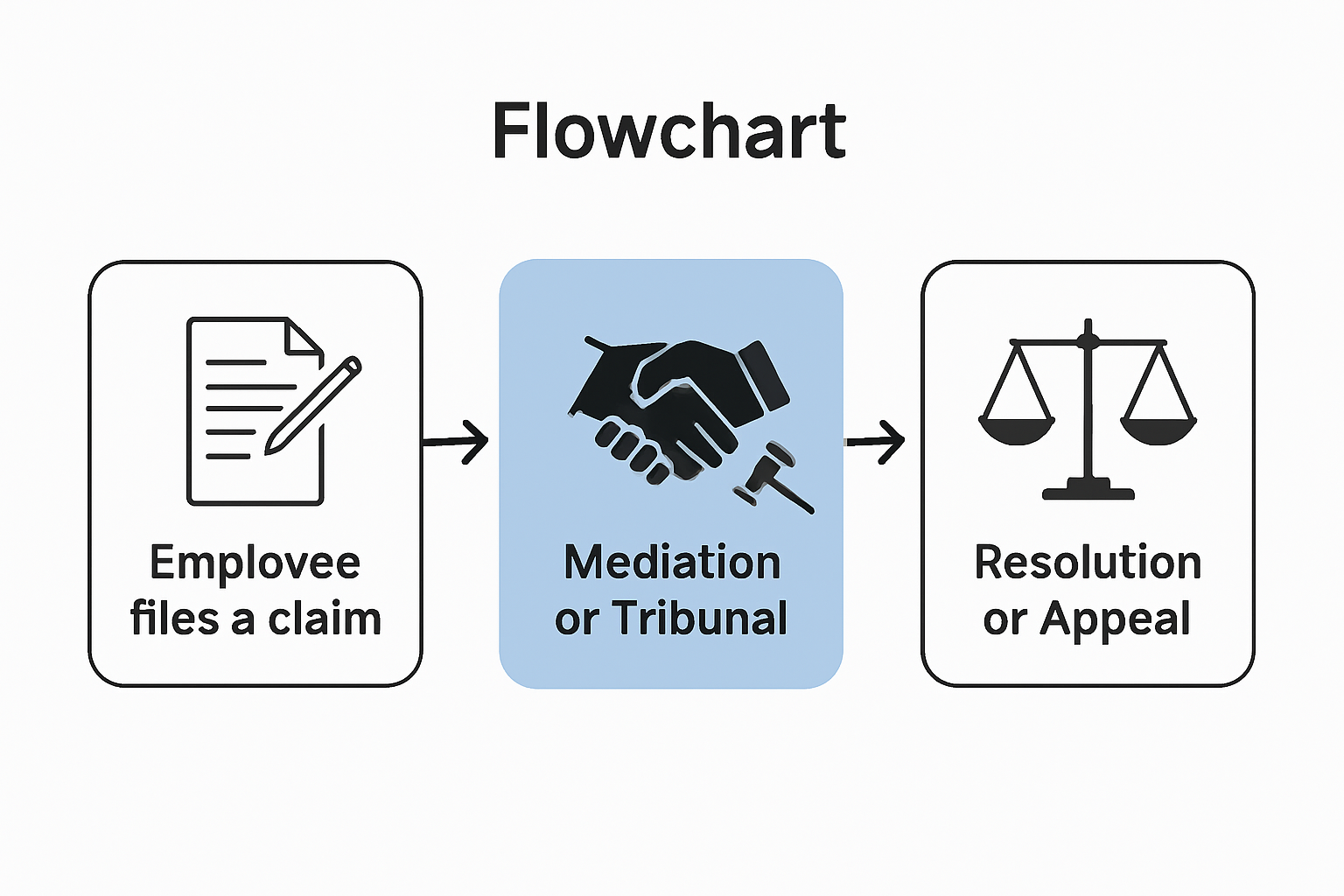
Employment law disputes represent complex legal challenges that can arise from various workplace interactions, potentially exposing organisations to significant financial and reputational risks. Employment tribunals provide a structured mechanism for resolving conflicts between employers and employees, addressing a wide range of potential legal challenges including unfair dismissal, discrimination, wage disputes, and breach of contractual obligations.
Discrimination claims emerge as one of the most prevalent employment law risks, encompassing potential violations related to age, gender, race, disability, sexual orientation, and religious beliefs. These disputes can result in substantial financial penalties, mandatory workplace adjustments, and long-term reputational damage. Employers must proactively implement comprehensive anti-discrimination policies, provide regular staff training, and maintain transparent recruitment and promotion practices to mitigate potential legal vulnerabilities.
Employment claims for businesses require strategic risk management approaches. Key areas of potential dispute include wrongful termination, workplace harassment, unequal pay, health and safety violations, and breach of contractual terms. Organisations must develop robust internal processes, maintain meticulous documentation, and seek proactive legal guidance to navigate these complex regulatory landscapes effectively, thereby minimising the potential for costly and time-consuming legal proceedings.
Employment law can feel overwhelming, especially when facing complex issues like unfair dismissal, discrimination, or unclear contractual obligations. This guide highlights the critical need to understand your rights and responsibilities fully. Whether you are an employer striving to ensure compliance or an employee seeking protection, the stakes are high and mistakes costly. Protect your interests with clear, straightforward legal advice that puts your needs first.

Discover how Ali Legal’s client-centred approach offers you transparency, speed and fixed fee solutions tailored to employment law matters. Explore our All | Ali Legal resources and take the first step towards resolving disputes confidently. Get in touch via https://alilegal.co.uk today to secure legal guidance that safeguards your workplace rights and business integrity without delay.
Employment law provides a legal framework that governs the relationship between employers and employees, ensuring fair treatment, defining rights and responsibilities, and establishing mechanisms for resolving workplace disputes.
In the UK, common types of employment contracts include permanent contracts, fixed-term contracts, zero-hours contracts, agency contracts, and freelance agreements, each with unique characteristics and legal implications.
Important legislation includes the Employment Rights Act 1996, the Equality Act 2010, and the Working Time Regulations 1998, which set minimum standards for wages, working conditions, and protections against discrimination.
Common risks include claims of discrimination, wrongful termination, and wage disputes. Employers can mitigate these risks by implementing robust policies, training, and maintaining clear documentation.


