
Menu
Get Expert Legal Support Today

Complex family finances or substantial business interests often prompt the need for more robust asset protection. Understanding the structure and strategic benefits of a trust empowers British high-net-worth individuals to safeguard wealth and enable efficient succession. Trust law offers tailored solutions, from managing inheritance to controlling capital for dependants. This article explains trust definitions, key roles, types, practical operations and critical legal duties, releasing clarity for those seeking professional guidance in the United Kingdom.
A trust represents a sophisticated legal mechanism for asset management in the United Kingdom, offering individuals strategic options for protecting and transferring wealth. Trusts provide a structured approach to managing financial resources with precision and legal protection.
At its core, a trust involves three fundamental roles:
Trusts serve multiple strategic purposes for high-net-worth individuals and families. Government guidelines highlight their utility in managing complex financial scenarios, including:
The legal structure of a trust is typically defined through a comprehensive trust deed, which outlines the specific terms, conditions, and intentions of the settlor. This document serves as a critical roadmap for trustees, ensuring they manage assets precisely as intended.
Pro tip: Always consult a qualified legal professional to design a trust structure tailored to your specific financial circumstances and long-term objectives.
The United Kingdom offers a diverse range of trust structures designed to meet various financial planning and asset protection needs. Government guidelines outline several distinct trust types, each with unique characteristics and legal implications for wealth management.
Key trust types in the UK include:
Each trust type serves specific strategic purposes. Legal professionals recommend selecting a trust structure based on individual financial goals, family circumstances, and potential tax implications.

Specific considerations for choosing a trust include inheritance planning, asset protection, tax efficiency, and the specific needs of beneficiaries. Trustees must carefully navigate complex legal requirements and potential tax consequences associated with different trust structures.
The following table compares key UK trust types based on control, flexibility, and typical use cases:
| Trust Type | Trustee Control Level | Beneficiary Access | Typical Use Case |
|---|---|---|---|
| Bare Trust | Minimal (set at outset) | Immediate and absolute | Simple wealth transfer to minors |
| Discretionary Trust | High (broad discretion) | On trustee decision | Flexible family asset management |
| Interest in Possession | Moderate | Right to income only | Ongoing income for dependants |
| Accumulation Trust | High (retain income) | Limited until set event | Saving for future costs or education |
| Mixed Trust | Varies (hybrid structure) | Mixed or conditional | Combining multiple planning strategies |
Pro tip: Consult a specialised trust lawyer to determine the most appropriate trust structure for your unique financial circumstances and long-term objectives.
Legal mechanisms for trust management involve a sophisticated process of asset transfer and strategic administration. The fundamental operational framework requires three primary parties: the settlor, trustees, and beneficiaries, each playing a critical role in the trust’s functionality.
The operational process of a trust typically involves several key stages:
Government tax guidelines emphasise that trustees bear significant legal responsibilities, including:
Trust operation requires meticulous attention to legal and financial details. Trustees must navigate complex regulatory environments, balance investment strategies, and maintain transparent communication with beneficiaries while protecting the long-term interests of the trust.
Pro tip: Engage a professional trust administrator to ensure comprehensive compliance and strategic asset management.
Trustee responsibilities in UK law represent a complex framework of legal obligations designed to protect beneficiary interests. Trustees bear significant fiduciary duties that extend far beyond simple asset management, requiring professional diligence and ethical conduct.
Key trustee duties include:
Legal guidelines outline critical beneficiary rights, which provide essential protections:
Trustees must navigate a delicate balance between protecting trust assets and meeting beneficiary expectations. Their role demands exceptional financial acumen, legal understanding, and ethical judgment. Failure to meet these stringent standards can result in legal consequences and potential removal from their fiduciary position.
Pro tip: Maintain comprehensive documentation and seek professional legal advice to ensure full compliance with trustee responsibilities.
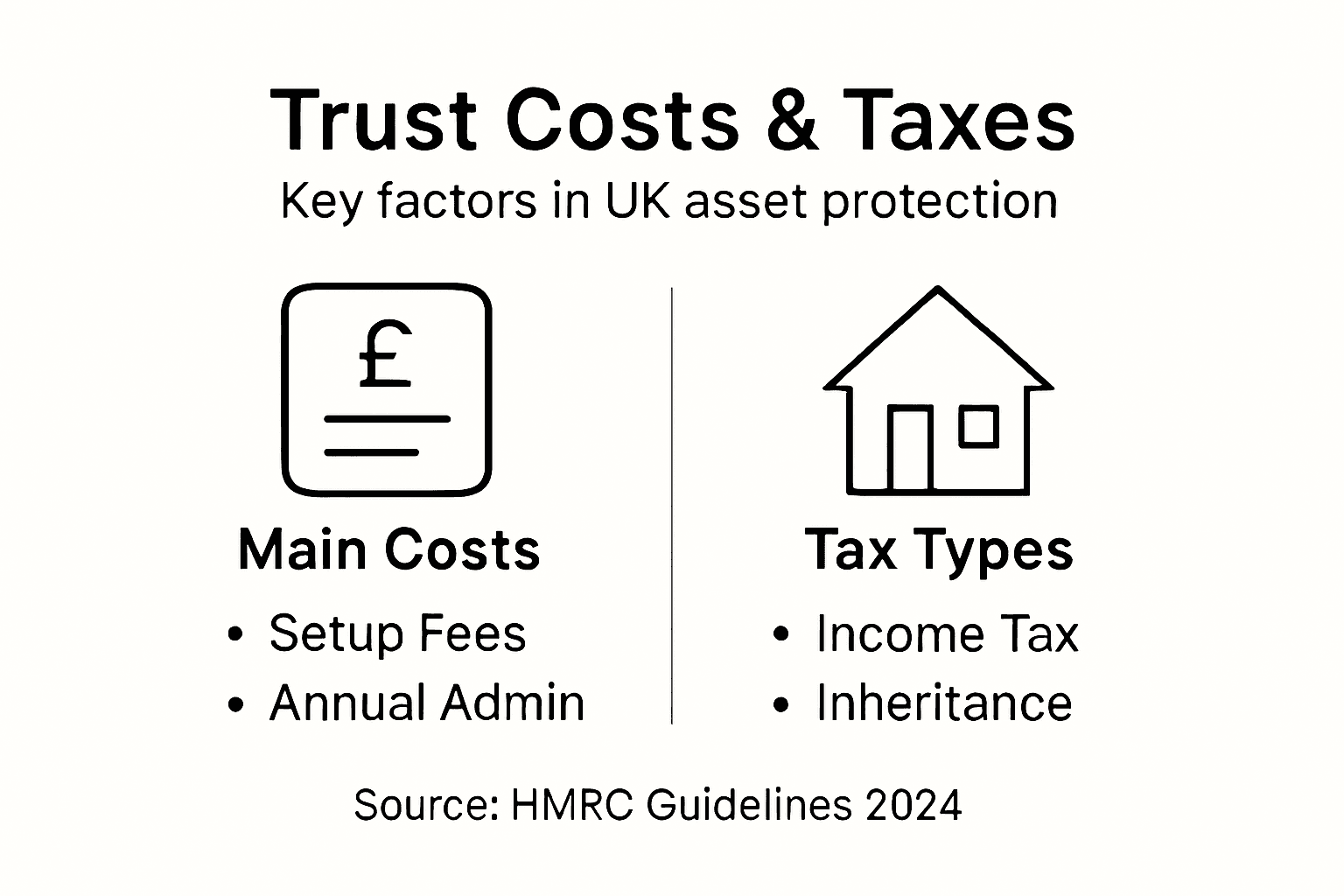
Trust taxation in the United Kingdom involves a complex framework of financial obligations that trustees must carefully navigate. The intricate tax landscape encompasses multiple levy types, including Capital Gains Tax, Income Tax, and Inheritance Tax, each with unique implications for trust management.
Key tax considerations for trusts include:
Trust Registration Service regulations mandate comprehensive documentation for most trust arrangements. Trustees must provide detailed information about:
The administrative and legal costs associated with trust establishment and maintenance can be substantial. Potential expenses include initial legal consultation fees, ongoing management costs, tax preparation charges, and potential registration penalties for non-compliance.
Pro tip: Engage a specialised tax professional to ensure precise compliance and minimise potential financial penalties in trust management.
Trust management complexities present significant challenges for high-net-worth individuals seeking comprehensive asset protection strategies. The intricate legal landscape demands meticulous planning and sophisticated understanding of potential financial risks.
Primary risks associated with trust structures include:
Common alternatives to traditional trust arrangements provide different approaches to asset management:
Each alternative carries distinct advantages and limitations. Direct ownership offers simplicity but reduces asset protection, while lifetime gifts can trigger immediate tax consequences. Sophisticated investors must carefully evaluate these options against their specific financial objectives and risk tolerance.
Here is a summary of key risks of trusts versus popular alternatives:
| Approach | Main Risks | Asset Protection Level | Complexity Level |
|---|---|---|---|
| Trust Structure | Tax changes, admin burdens | High if compliant | Complex |
| Direct Asset Ownership | Exposure to liabilities | Low | Simple |
| Lifetime Gifting | Immediate tax impact | Low | Simple |
| Corporate Ownership | Governance issues | Medium to high | Moderate |
| Family Investment Company | Regulation, admin burden | High for substantial assets | Complex |
Pro tip: Conduct a comprehensive financial review with a professional advisor before selecting your asset management strategy.
Navigating the complexities of trust law in the United Kingdom can be challenging. Whether you are concerned about protecting family assets, ensuring tax efficiency, or managing fiduciary duties, Ali Legal offers clear and strategic advice tailored to your unique circumstances. Trusts require careful legal structure and ongoing management to avoid pitfalls such as unexpected tax liabilities or administrative burdens. Our experienced solicitors understand these challenges and can help you select the right trust type, draft robust trust deeds, and ensure full compliance with UK regulations.

Explore comprehensive insights and legal solutions on our All | Ali Legal page. Take control of your asset protection strategy today by contacting us. Our client-centric approach ensures transparent communication, fixed fees, and swift, effective legal support. Do not leave your financial future to chance. Visit Ali Legal Contact now for personalised assistance and make secure wealth management your priority.
A trust is a legal mechanism that allows individuals to manage and protect assets by transferring ownership to trustees, who manage these assets for the benefit of designated beneficiaries.
The three primary parties in a trust are the settlor (who creates the trust), the trustees (who manage the assets), and the beneficiaries (who receive the benefits from the trust).
The UK has various trust types, including bare trusts, discretionary trusts, interest in possession trusts, accumulation trusts, and mixed trusts, each serving different financial planning and asset protection needs.
Trusts may face multiple tax obligations, including Capital Gains Tax, Income Tax, and Inheritance Tax. Trustees must comply with reporting requirements to HMRC and keep accurate financial records.


