
Menu
Get Expert Legal Support Today

Settlement agreements resolve over 90% of civil disputes before trial, yet many individuals and businesses remain unclear about how they work. These voluntary arrangements offer a transparent, efficient alternative to lengthy litigation, saving time and money whilst giving parties control over outcomes. This guide explains what settlement agreements are, their benefits, essential components, and modern execution methods to help you navigate dispute resolution confidently.
| Point | Details |
|---|---|
| Settlement agreements provide voluntary resolution | Parties negotiate mutually beneficial terms without court intervention, maintaining control over outcomes. |
| Significant cost and time savings compared to litigation | Disputes resolve in weeks or months rather than years, with reduced legal fees and stress. |
| Enforceability requires clear terms and signatures | Valid agreements need written documentation, signed consent, and unambiguous scope of claims covered. |
| Digital methods accelerate distribution | Modern platforms reduce payment timelines from months to days with real-time tracking capabilities. |
| Legal encouragement from courts and agencies | Judicial systems actively promote settlement attempts to reduce court backlog and litigation expenses. |
A settlement agreement represents a voluntary and mutually beneficial resolution that ends legal disputes without proceeding to trial. These contracts allow parties to negotiate terms that suit their specific circumstances, avoiding the uncertainty and expense of courtroom litigation. Rather than waiting months or years for a judge’s decision, individuals and businesses craft solutions that address their unique needs whilst preserving relationships.
The parties typically involved include the complainant, respondent, their respective legal representatives, and sometimes authorised managers or mediators. Understanding the role of solicitors in dispute resolution helps ensure agreements protect your interests whilst meeting legal standards. Solicitors draft clear terms, verify compliance with statutory requirements, and ensure both parties understand their obligations before signing.
Settlement agreements commonly include these essential elements:
Parties may negotiate various outcomes beyond monetary compensation. Employees might secure positive references, reinstatement to previous positions, or agreements about what employers disclose to future references. Businesses often include non-compete clauses, intellectual property rights transfers, or operational adjustments. The flexibility of settlement terms means solutions can address practical concerns that courts cannot mandate.
Civil trials impose substantial financial burdens, with litigation costs often exceeding £50,000 for straightforward cases and reaching hundreds of thousands for complex disputes. Settlement eliminates these expenses by resolving matters through negotiation rather than protracted court proceedings. Legal fees, expert witness costs, and administrative expenses diminish dramatically when parties reach agreement early.

Time savings prove equally significant. Court backlogs mean trials may not commence for 12 to 24 months after filing, with proceedings then lasting months or years. Settlement discussions conclude within weeks or months, allowing individuals and businesses to move forward without prolonged uncertainty. This efficiency matters particularly for businesses needing to allocate resources and plan operations without pending litigation concerns.
Courts and regulatory agencies actively encourage settlement efforts. The EEOC guide emphasises that settlement ends costly litigation processes benefiting all parties. Judges frequently order mediation sessions and settlement conferences, recognising that negotiated resolutions often produce better outcomes than imposed judgements. This institutional support reflects decades of evidence showing settlements reduce court congestion whilst satisfying disputants more effectively.
Key advantages of settlement include:
Exploring alternatives to litigation for small businesses reveals additional methods for resolving disputes efficiently. Mediation, arbitration, and negotiated settlements offer flexible frameworks suited to different conflict types and business relationships.
Pro Tip: Initiate settlement discussions early, ideally before formal litigation begins. Early negotiations prevent escalating legal costs and preserve working relationships that adversarial court proceedings often irreparably damage.
Legally enforceable settlements require specific elements that distinguish binding contracts from preliminary discussions. Courts examine whether parties reached genuine agreement on essential terms before enforcing settlements. Understanding these requirements prevents disputes about whether valid agreements exist.
Essential components for enforceable settlements include:
An unsigned settlement proves unenforceable when parties disagree about which claims they intended to resolve. Courts focus on the parties’ actual intent and whether they reached mutual understanding on essential terms. Ambiguity about claim scope, compensation amounts, or performance obligations undermines enforceability, allowing parties to withdraw from purported agreements.
Special compliance rules govern certain settlement types. Settlements involving age discrimination must satisfy the Older Workers Benefits Protection Act, requiring specific disclosures and consideration periods. These statutory protections ensure vulnerable parties make informed decisions without pressure.
Legal limitations affect waivers within settlements. Agreements can release past violation claims but typically cannot waive rights to challenge future discrimination or statutory violations. Parties retain abilities to file new complaints about conduct occurring after settlement execution. Understanding contract dispute resolution in the UK helps navigate these nuanced requirements.
| Factor | Enforceable Agreement | Unenforceable Agreement |
|---|---|---|
| Documentation | Written, signed by all parties | Oral discussions or unsigned drafts |
| Claim scope | Specifically identified claims with clear boundaries | Vague references to “all disputes” without details |
| Terms clarity | Precise compensation and obligations | Ambiguous language requiring interpretation |
| Mutual consent | Voluntary agreement with full understanding | Coercion, fraud, or material misrepresentation |
| Statutory compliance | Meets legal requirements for claim type | Violates mandatory statutory protections |
Pro Tip: Insist on written settlement agreements with precisely defined terms before making any payments or performing obligations. Verbal understandings and email exchanges often prove insufficient for enforcement when disputes arise about agreement scope.
Traditional settlement distribution relied on cheque-based systems requiring manual processing, postal delivery, and bank clearing periods. Claimants often waited months or years to receive compensation after agreements finalised. Class action settlements particularly suffered from inefficient notice campaigns producing response rates below 5%, meaning substantial settlement funds remained undistributed.
Digital payment platforms have transformed this landscape dramatically. Modern distribution methods reduce timelines from months to days through automated processing and multiple disbursement channels. Claimants receive payments via bank transfers, digital wallets, or prepaid cards based on their preferences. Real-time tracking provides transparency about payment status, eliminating uncertainty about when compensation arrives.
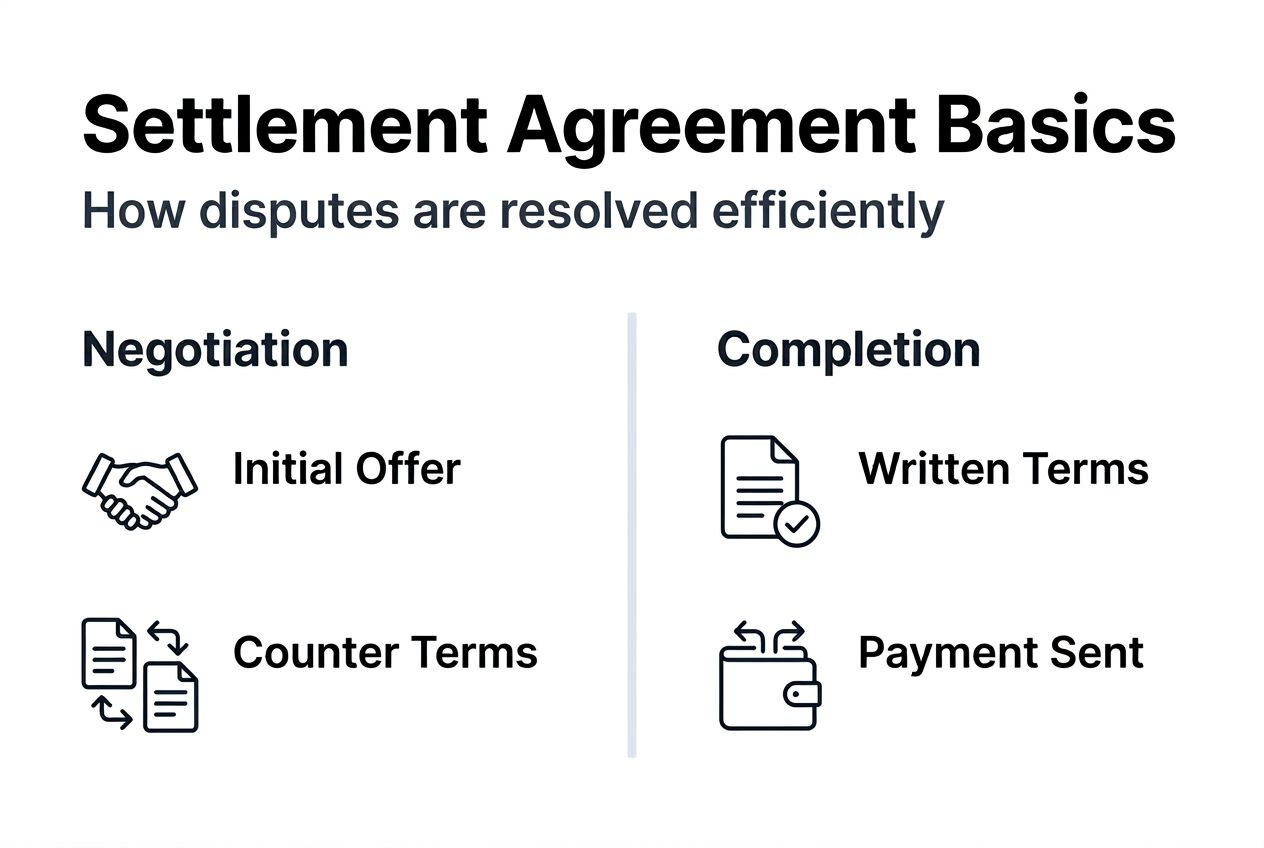
These technological advances benefit all parties involved in settlements. Administrators reduce processing costs by 40 to 60% compared to traditional methods. Claimants access funds faster without cheque cashing fees or bank holds. Defendants achieve final resolution more quickly, closing matters without prolonged distribution periods. The efficiency gains encourage settlement by reducing the friction between agreement and actual compensation.
| Distribution Method | Average Timeline | Typical Claim Rate | Cost per Claimant |
|---|---|---|---|
| Traditional cheques | 6 to 18 months | 3% to 8% | £15 to £25 |
| Digital platforms | 3 to 14 days | 12% to 22% | £3 to £8 |
| Hybrid approach | 2 to 8 weeks | 8% to 15% | £8 to £15 |
Modern settlement execution faces these key considerations:
Understanding civil litigation services helps parties navigate both traditional and modern settlement processes. Professional legal guidance ensures agreements incorporate appropriate payment mechanisms whilst protecting parties’ interests throughout distribution.
Navigating settlement agreements requires legal expertise to protect your interests whilst achieving efficient resolution. Ali Legal specialises in civil litigation with extensive experience crafting settlement agreements that deliver results for individuals and businesses. Our solicitors understand how to structure terms that satisfy all parties whilst ensuring enforceability and compliance with UK legal requirements.

We offer comprehensive support throughout dispute resolution, from initial negotiations through final agreement execution. Our expertise in alternative dispute resolution means we help clients explore mediation, arbitration, and settlement options before committing to costly litigation. When disputes involve commercial matters, our commercial litigation services provide strategy-led approaches that prioritise your business interests whilst pursuing efficient resolution.
Contact Ali Legal today to discuss how settlement agreements can resolve your dispute transparently and efficiently. Our client-focused approach emphasises clear communication, fixed fees, and long-term relationships that extend beyond individual matters.
All signatory parties to the agreement can typically enforce its terms through court proceedings if another party breaches obligations. Courts may intervene when disputes arise about interpretation or performance, examining the original agreement terms and parties’ intent. Non-parties generally cannot enforce settlements unless specifically granted rights within the agreement.
Settlement agreements result from voluntary negotiation between parties, whilst court judgements represent imposed decisions by judges after trial. Settlements offer flexibility to craft customised solutions addressing specific concerns, whereas judgements apply legal standards to determine liability and remedies. Parties control settlement outcomes but have no influence over judicial decisions beyond presenting evidence.
Timelines vary based on dispute complexity, ranging from several weeks for straightforward matters to several months for complicated commercial disputes. Initial negotiations often conclude within 30 to 60 days, with additional time needed for drafting, review, and execution. Digital payment methods significantly reduce distribution timelines, delivering compensation within days after finalising agreements.
Many agreements include confidentiality provisions preventing parties from disclosing terms or underlying dispute facts. These clauses protect sensitive business information and personal matters whilst encouraging candid settlement discussions. However, confidentiality is contractual rather than automatic, so parties must specifically negotiate these terms. Certain regulatory settlements may require public disclosure despite parties’ preferences.
Challenges may succeed if parties demonstrate fraud, duress, material misrepresentation, or fundamental disagreement about essential terms. Courts examine whether parties genuinely consented to agreement terms and shared mutual understanding about claim scope. Ambiguous language or unsigned documents provide grounds for disputing enforceability. Once properly executed with clear terms, settlements generally bind parties permanently, preventing relitigation of resolved claims.


