
Menu
Get Expert Legal Support Today
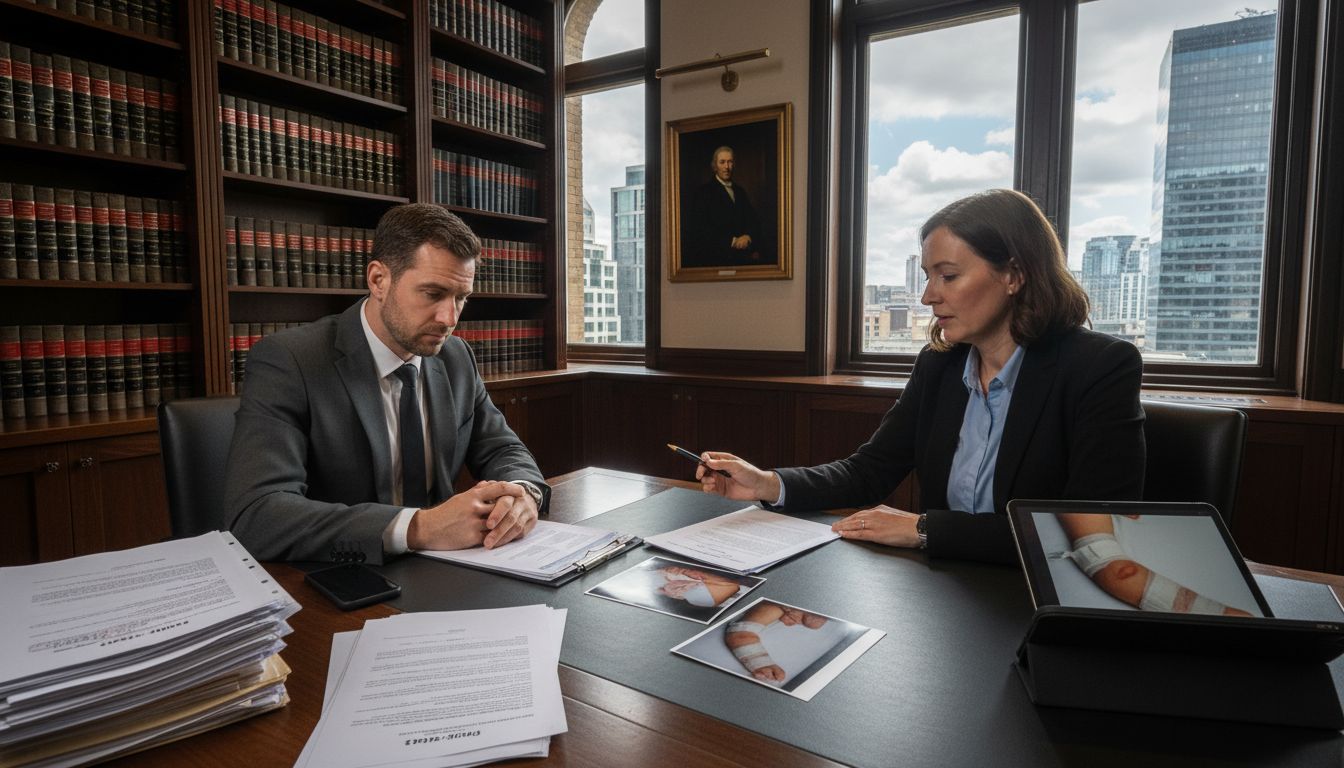
Most british personal injury claimants discover the paperwork can be as challenging as the injury itself. Collecting strong evidence, navigating liability, and handling insurers all demand focused effort at every stage. With over 90 percent of personal injury cases in the UK settled before reaching court, knowing exactly how to gather documents and protect your rights can make a dramatic difference. This guide details every essential step for british claimants who want clarity, confidence, and the best possible chance at fair compensation.
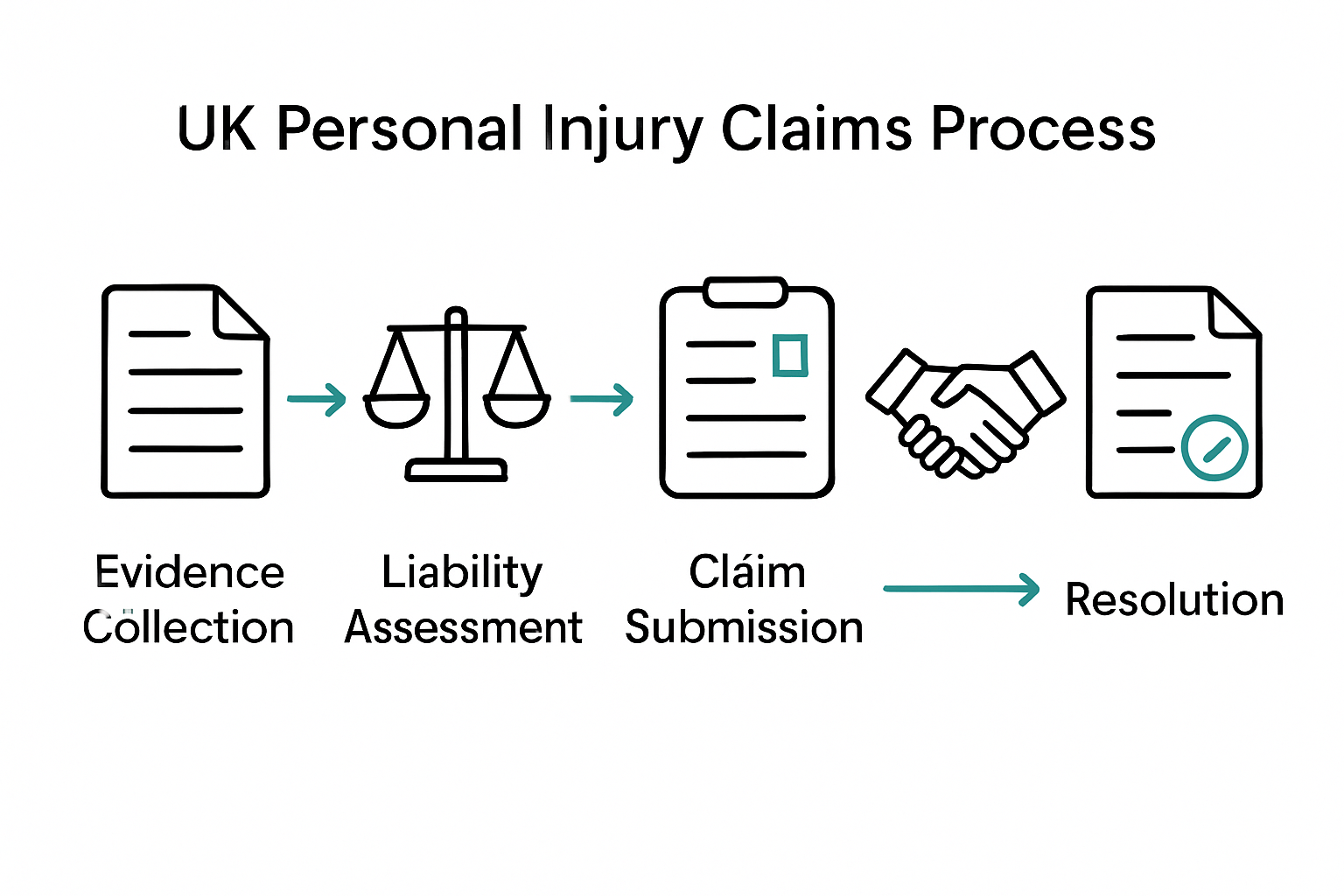
Strong evidence forms the backbone of any successful personal injury claim. You will collect and document all crucial information that substantiates your legal case, transforming scattered details into a compelling narrative of your experience.
Begin by securing physical documentation from the incident scene. Photograph everything meticulously: property damage, visible injuries, road conditions, or workplace hazards. Your mobile phone is an invaluable tool here - capture wide shots showing context and close-ups demonstrating specific damage or injury details. Written records matter equally. Gather police reports, medical treatment records, workplace accident logs, and any correspondence related to the incident. Request copies of medical assessments, diagnostic imaging results, and treatment plans from healthcare providers. These documents provide objective evidence of your injuries and associated expenses.
Witness statements represent another critical evidentiary component. Approach potential witnesses promptly and request written accounts of what they observed. Obtain their full contact information and ensure their statements are signed and dated. Professional legal advice suggests collecting these statements while memories remain fresh. Remember that comprehensive documentation increases your claim’s credibility and potential compensation. Your meticulous approach now will significantly strengthen your legal position moving forward.
Assessing liability is a critical step in determining the legal foundation of your personal injury claim. Your objective is to clearly demonstrate who bears legal responsibility for the incident and subsequent damages, establishing a clear pathway to potential compensation.
Begin by gathering comprehensive documentation that illuminates the circumstances of the incident. Collect official reports such as police statements, workplace accident logs, or medical records that objectively detail the events. Analyse these documents for key details that indicate fault or negligence. Look for specific evidence of breach of duty: did someone fail to maintain a safe environment, ignore safety protocols, or act without reasonable care? Witness statements become crucial here. Obtain signed testimonies from individuals who observed the incident, ensuring their accounts provide impartial insights into what transpired.
Carefully document all communication and interactions related to the incident. Preserve email exchanges, text messages, and written correspondence that might reveal patterns of behaviour or demonstrate a failure to meet professional standards. This meticulous approach helps build a robust case by creating a comprehensive narrative of responsibility. Personal Injury Claims Guide: Secure Compensation Effectively provides additional insights into navigating this complex process. Remember that establishing fault requires a strategic compilation of evidence demonstrating clear liability.
Submitting your personal injury claim form marks a pivotal moment in your legal journey. This critical document serves as the official gateway to seeking compensation for your injuries and associated damages, transforming your collected evidence into a formal legal request.
As recommended by UK Ministry of Justice, carefully complete each section of the claim form with precision and thoroughness. Ensure you provide comprehensive details about the incident, including exact dates, location, circumstances, and a detailed account of injuries sustained. Attach all supporting documentation such as medical reports, witness statements, photographic evidence, and financial records demonstrating economic losses. The Headway guide emphasises the importance of medical documentation in substantiating your claim, recommending detailed medical assessments that objectively quantify your injuries.
Pay meticulous attention to procedural requirements when submitting your form. Double-check all information for accuracy, ensuring no critical details are omitted or misrepresented. Include contact information for all relevant parties, including healthcare providers, witnesses, and any institutions involved in documenting the incident. Retain copies of everything you submit and request confirmation of receipt. Your methodical approach at this stage will significantly strengthen your potential for securing appropriate compensation.
Negotiating compensation represents a delicate and strategic phase of your personal injury claim where your preparedness can significantly impact your financial recovery. Your goal is to secure a fair settlement that comprehensively addresses your physical, emotional, and economic damages.
As recommended by the Legal Ombudsman, leveraging expert evidence becomes crucial during negotiations. Compile a comprehensive dossier that objectively quantifies your losses. This should include detailed medical reports, expert assessments of long term injury implications, documented economic losses such as lost wages, medical expenses, rehabilitation costs, and impact on future earning potential. Present your evidence systematically, demonstrating a clear, logical progression of how the incident has affected your life.
Approach negotiations with a calculated yet professional demeanour. Begin with a well-structured initial demand that clearly outlines your total claimed damages, providing insurers with a transparent breakdown of your calculations. Be prepared for initial low settlement offers and resist the temptation to accept quickly. Maintain detailed records of all communication, remain patient, and be willing to provide additional documentation that substantiates your claim. Your methodical approach and comprehensive evidence will position you strongly during these critical discussions.

Verifying your settlement marks the final crucial stage of your personal injury claims journey. This step transforms your negotiated agreement into a legally binding resolution, ensuring you receive the compensation you rightfully deserve.
Carefully review every detail of the settlement document before signing. Scrutinise the total compensation amount, ensuring it accurately reflects all documented damages including medical expenses, lost earnings, rehabilitation costs, and potential future treatment requirements. Confirm that the settlement comprehensively addresses both economic and non-economic losses. Pay particular attention to any clauses related to future medical treatments or potential ongoing care needs. Personal Injury Litigation Guide recommends obtaining independent legal review to validate the settlement terms and protect your long term interests.
Once you are satisfied with the settlement terms, proceed with the final documentation. Request multiple copies of the signed settlement agreement and ensure you receive written confirmation of the payment schedule. Maintain meticulous records of all communications and documents related to your claim. Consider establishing a structured payment plan if the settlement is to be paid in instalments, and confirm the precise timelines for receiving your compensation. Your diligence at this stage will provide closure and financial security following your personal injury experience.
Navigating the personal injury claims process can feel overwhelming as you gather evidence, establish fault and negotiate compensation. This article highlights critical steps where many face challenges such as documenting injuries properly, understanding liability, and ensuring fair settlements. Ali Legal understands these pain points and offers clear, strategic assistance to ensure your claim is handled transparently and swiftly. From organising vital evidence to guiding you through submitting your claim form, our client-centric approach puts your needs first.

Explore trusted legal solutions tailored to your personal injury needs on our Uncategorized | Ali Legal page. Don’t wait to protect your rights and maximise your compensation. Visit Ali Legal now and consult with a solicitor who will provide straightforward advice and a fixed fee structure designed to give you confidence and clarity throughout the entire claims journey.
Strong evidence includes photographs of the incident scene, medical treatment records, police reports, and written witness statements. Begin by photographing injuries and damages, then gather all related documents to build a solid foundation for your case.
To establish fault, collect official reports and witness statements that clarify what happened during the incident. Analyse the documentation for any evidence of negligence or breach of duty that indicates who is responsible for your injuries.
Your personal injury claim form should include details like the date, location, and circumstances of the incident, as well as a comprehensive account of your injuries. Attach all supporting documents, such as medical reports and photographs, to substantiate your claim.
To negotiate effectively, compile a detailed dossier that quantifies your losses and includes medical reports and economic damages. Present a well-structured demand outlining your total claimed damages and be prepared for initial low offers, remaining patient and persistent throughout the negotiation process.
Before signing, carefully review the settlement document to ensure it accurately reflects all your damages, including medical expenses and lost wages. Confirm that all terms are satisfactory, and consider seeking legal advice for a final review to protect your interests.
After settling, keep copies of the signed settlement agreement and maintain detailed records of all communications related to your claim. Establish a system for tracking payment schedules, especially if your settlement involves instalments, ensuring you know when to expect each payment.


